

The War In Iran
The Strait of Hormuz is the access point for vessels to enter the Persian Gulf, and access ports for Iran, UAE, Saudi Arabia, Bahrain, Qatar, Kuwait and Iraq. The ongoing war between the United States and Iran has presented shipping difficulties in this region, with the Strait being blockaded.
In recent weeks, the two nations began negotiating terms of peace with a ceasefire agreed. Although vessels are now able to enter through the Strait of Hormuz, tensions remain volatile. Last week on 26th June, the Evergreen vessel Ever Lovely was struck by a projectile in the gulf, which led to retaliatory strikes on both sides. The US struck Iran for 2 days with Iran striking US bases in Bahrain and Kuwait. Evergreen fortunately confirmed that no members of the crew were injured in the strike and no environmental damage occurred. The ship was able to continue its journey as damage was minimal.
The international Maritime Organisation had been conducting an evacuation of vessels that had become stranded in the gulf following the closure of the Strait of Hormuz but was forced to stop following this strike. The Evergreen Vessel was not part of this initiative when sailing.
Strikes have since halted and re-negotiations are set to take place and the US has agreed to “stand down”.
What does this mean for Freight Forwarding?
Global shipping has faced increasing operational risks since this war began.
What we’re seeing across the market: Carriers are exercising greater caution before committing vessels into the Persian Gulf.
 Some vessels have delayed or altered their transit plans while security risks are assessed.
 Freight markets continue to react, with Pacific spot rates remaining elevated and uncertainty likely to influence capacity and pricing in the weeks ahead.
 The International Maritime Organization (IMO) has temporarily paused its vessel evacuation initiative while the situation is reviewed.
Additionally, this war has caused drastic spikes in the cost of fuel as the flow of one fifth of the world’s oil supply was disrupted by this war. As a response, shipping companies were forced to increase charging rates. The price is likely to remain unstable whilst tensions remain.
Terms of the peace negotiation may include terms in Iran potentially taking control of the Strait of Hormuz as negotiations with Oman continuing.
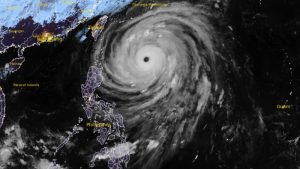
Super Typhoon Champi
Credit: JMA/Himawari-9, RAMMB/CIRA, The Watchers Super Typhoon Champi China and the Far East are set to be struck by another Typhoon this coming week. This could cause major disruptions across Chinese Ports. On 22nd October, the Super Typhoon, which formed in the western Pacific ocean, has been moving North towards the island of Taiwan, […]
Read More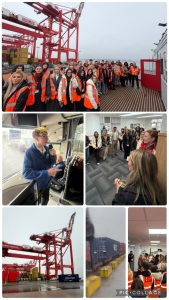
Supporting Young People in LCR
Supporting Young People in Liverpool City Region This week has been incredibly busy for Trinity Logistics. The team have been working hard to provide young people in Liverpool City Region new opportunities. Liverpool John Moore’s University Port Tour This week also saw Trinity’s Commercial Director Sarah, and Will (our latest addition to the team) bring […]
Read More
Fourth Sponsor Announced- Peel Port Group
Fourth Sponsor Announced- Peel Ports Group Our fourth and final sponsor is…… Peel Ports Group. Returning for their fourth year, Peel Ports Group are once again supporting our Power of Women Event. Peel Ports Group is one of the UK’s leading port operators, and also manage several vital waterways. They have a large […]
Read More